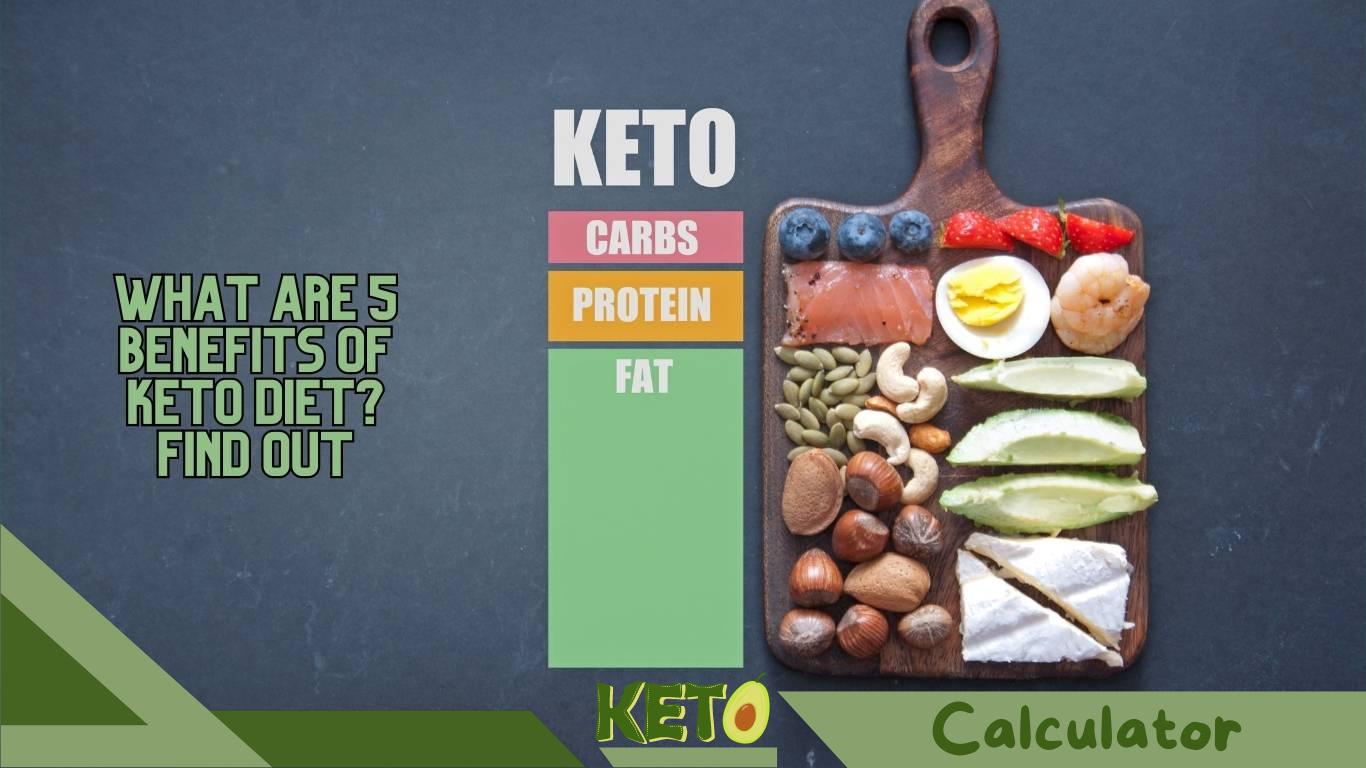
The keto diet is a popular way of eating that’s low on carbs and high in fat these days. The diet cuts carbs and adds fat to make your body go into ketosis, a metabolic state. The body uses stored fat for energy instead of carbs in this state. The keto diet involves eating specific fats, protein, and carbs. You eat 70-75% fat, 20-25% protein, and only 5-10% carbs. This helps your body burn fat instead of carbs for energy.
Importance of Understanding the Benefits
If you’re considering trying the keto diet, knowing why it’s good for you is essential. The keto diet was made for epilepsy treatment, but people also talk about how it can help in other ways. The keto diet has benefits. You can decide if it helps your health and lifestyle.
1: Weight Loss
One of the primary reasons people turn to the keto diet is its potential for weight loss. Your body goes into ketosis when you eat a low-carb, high-fat diet. This means it burns stored fat instead of carbs for energy. Limiting carbohydrate intake decreases insulin levels, and fat-burning mechanisms are activated. Also, the high-fat diet makes people feel full and eat fewer calories.
Examples of Successful Weight Loss Stories
Many people have lost much weight on the keto diet, leading to success stories. These stories show how the diet helped people lose weight or feel healthier. People who want to lose weight find motivation in hearing about others’ experiences.
Research-Backed Evidence Supporting Weight Loss Benefits
Scientists have studied if the keto diet helps lose weight. Studies show that the diet is better for weight loss than low-fat diets, especially in the short term. The keto diet can help you lose body fat and strengthen your muscles. The keto diet may help lose weight, as these new findings show.
2: Increased Energy Levels
The keto diet can help keep your energy levels steady all day. If you eat a lot of fat and little carbs, your body changes how it gets energy. Instead of using glucose from carbs, it uses ketones to break down fat. Ketones give you stable and long-lasting energy, so you don’t feel tired and have more energy all day. The keto diet can help keep your energy stable by avoiding big blood sugar spikes and crashes.
Personal Experiences and Testimonials on Increased Energy
People on the keto diet often say they have more energy. People often say they feel more energetic and less tired when they eat fewer carbs. People often describe feeling more alert, focused, and energized throughout the day. The keto diet can boost energy, and people’s experiences show this.
Scientific Studies Supporting the Energy-Boosting Effects
Scientific research has also explored the impact of the keto diet on energy levels. When your body starts producing ketones for energy during ketosis, it can boost your energy level. Many studies say this. Research shows that the keto diet can help improve how cells make energy by working better with their mitochondria. By optimizing mitochondrial function, the keto diet may contribute to increased energy levels. The keto diet gives you more energy, and science proves it too.
3: Improved Mental Clarity
The keto diet can help your brain work better. It can improve your thinking and focus. The brain usually needs glucose to work, but when in ketosis, it can use ketones for energy too! This change in metabolism is thought to help the brain by making it more transparent and focused. It may make you think better and concentrate more. The keto diet can make your brain work better by giving it good energy.
Individuals Experiencing Enhanced Mental Focus
People on the keto diet often feel more focused and clear-headed. They say they feel sharper mentally and can concentrate longer. Many also note enhanced productivity and better cognitive performance in their daily activities. These stories show how the keto diet helps people’s minds and moods.
Connection Between Ketosis and Brain Health
Studies show that your brain might work better when you follow the keto diet. Experts have done research that connects ketosis and brain health. Studies show that ketones can give the brain another source of energy. This may boost thinking skills and defend against memory loss from aging. Additionally, research has shown that the keto diet could treat neurological disorders like epilepsy, Alzheimer’s disease, and Parkinson’s disease. Scientists study the keto diet to learn how it helps our brains. You may also like to read: What Are 3 Best Foods for Lowering Cholesterol?
4: Reduced Inflammation
One of the notable benefits of the keto diet is its potential to reduce inflammation in the body. Inflammation is harmful to you. It can cause heart problems, diabetes, and other diseases. The keto diet’s ability to reduce inflammation can be attributed to several factors. The diet removes or cuts back on foods that lead to inflammation. These include sugar, refined carbs, and some oils high in omega-6. The keto diet promotes something called ketosis. This can help reduce inflammation. Ketosis makes ketones that stop swelling in the body.
People Finding Relief from Inflammatory Conditions
Numerous individuals following the keto diet have reported finding relief from inflammatory conditions. Many say a diet low in carbs and high in fat helps them feel better. They have less joint pain, swelling, and stomach problems. Many people with rheumatoid arthritis, inflammatory bowel disease, and acne have said that a keto diet improves their symptoms. The keto diet can reduce inflammation. Real-life examples support this.
Overview of Scientific Studies
Scientists studied how the keto diet affects inflammation and found good news. The keto diet reduces inflammation by reducing CRP, IL-6, and TNF-alpha. Studies have proven this. Research shows that the keto diet can reduce inflammation by changing how different parts of the bodywork. Studies show that the keto diet can reduce inflammation.
5: Better Heart Health
The keto diet has shown the potential to impact heart health positively. Research shows that the keto diet can benefit heart health, even though many think a low-fat diet is better. The diet promotes weight loss first. This can lower the risk of heart disease by reducing obesity and high blood pressure. The keto diet helps to improve lipid profiles. It raises the good cholesterol (HDL) and lowers triglycerides. Eating it can help change the type of cholesterol in your body. This means less risk for heart disease. The keto diet can help control blood sugar and make the heart healthier.
Improvements in Heart Health Markers
Numerous individuals following the keto diet have reported improvements in heart health markers. People often say that their triglycerides go down, their “good” cholesterol goes up, and their blood pressure improves when they share their experience. These stories show how the keto diet also helps the heart and works in real life.
Summary of Relevant Scientific Research on Keto and Heart Health
Scientific research has explored the relationship between the keto diet and heart health. The keto diet can help improve heart health, according to studies. Research has shown that the diet can lower triglycerides and raise HDL cholesterol levels. The keto diet might reduce inflammation and oxidative stress, which can cause heart problems. Some studies show this. The keto diet may help people at risk of heart problems, but we need more research to know for sure.
Conclusion:
The keto diet has several benefits that attract many people who want to eat healthier. Knowing how it can help you is essential when deciding if it fits your health goals and lifestyle.
The five critical benefits discussed in this article highlight the advantages of the keto diet:
- The keto diet can help you lose weight by burning fat and making you feel full. It works well for weight loss.
- The keto diet can help you feel more energized. It stabilizes your energy levels and gives you a steady source of energy. It also reduces energy changes so you can feel more vital overall.
- The keto diet can improve mental focus, concentration, and well-being. This is because it affects brain health and cognitive function.
- The keto diet fights inflammation in your body. This can help you feel better and improve your health.
- The keto diet can help your heart by improving cholesterol, blood sugar, and health.
The keto diet is believable because of people’s stories and science. They show how it works. Note that everyone’s results may differ. Ask a doctor before making significant changes to your diet.
FAQs:
Is the keto diet suitable for everyone?
The keto diet may not work for everyone, especially those with health issues or special diets. Before starting the keto diet, check with your doctor to ensure it’s right.
How long does it take to see results on the keto diet?
Diet results differ due to starting weight, metabolism, and following the diet plan. Some people will lose weight and feel more energetic in the first week or two, but it may take longer for others. Consistency and adherence to the diet are vital to achieving desired results.
Can the keto diet be maintained long-term?
The keto diet needs good planning and monitoring of nutrients to stick to it for a long time. Some people prefer to follow a cyclical or targeted keto diet. They cycle in and out of ketosis or eat carbs near workouts. To care for your health, find a way to eat sustainable food that fits your needs.
Are there any potential side effects of the keto diet?
When starting the keto diet, people might feel sick, tired, get headaches and be moody. This is called the “keto flu.” The symptoms may go away soon. To feel better, drink water, have electrolytes, and ease into the diet slowly.
Can I exercise while on the keto diet?
Yes, exercise can be performed while on the keto diet. Exercising might take a while for your body to get used to burning fat for energy instead of carbs. Start with easy exercises and gradually build up to harder ones as your body gets used to them. Hydrating and balancing electrolytes are crucial when working out on the keto diet.