If you’re looking to lose weight or improve your overall health, you may have come across the ketogenic diet. The ketogenic diet involves consuming a high-fat, low-carbohydrate, and moderate-protein diet. The purpose of the diet is to get your body into a state of ketosis, where it burns fat for energy instead of carbohydrates. One important aspect of the ketogenic diet is tracking your macronutrient intake, and that’s where a keto calculator comes in handy.
A keto calculator is a helpful tool that can assist you in determining the appropriate macronutrient ratios for your body based on your goals and personal factors such as age, weight, and activity level. Tracking your macros is essential for achieving and maintaining ketosis, which is the cornerstone of the ketogenic diet. In this article, we’ll provide a comprehensive guide to using a keto calculator, including what macronutrients are, why they matter on the ketogenic diet, and how to calculate your macros using a keto calculator. Whether you’re a beginner to the ketogenic diet or an experienced follower looking to optimize your nutrition, this article will provide you with the knowledge you need to effectively track your macros and achieve your health and fitness goals.
What is a keto calculator?
A keto calculator is a tool that helps you determine how many grams of fat, protein, and carbohydrates you should be eating each day to achieve your goals on the ketogenic diet. The calculator takes into account your age, gender, height, weight, activity level, and goals, and then provides you with a personalized macronutrient breakdown.
How does a keto calculator work?
A keto calculator works by using a formula to determine your basal metabolic rate (BMR), which is the number of calories your body burns at rest. The calculator then takes into account your activity level and goals to calculate how many calories you need to consume each day.
From there, the calculator determines how many grams of fat, protein, and carbohydrates you should be eating based on your caloric intake. The macronutrient breakdown is usually given in percentages, with a typical breakdown for the ketogenic diet being 75% fat, 20% protein, and 5% carbohydrates.
Why is tracking macros important on the ketogenic diet?
Tracking macros is important on the ketogenic diet because it ensures that you’re getting the right balance of nutrients to achieve ketosis. If you consume too many carbohydrates, for example, your body won’t be able to get into a state of ketosis because it will continue to burn carbohydrates for energy instead of fat.
Tracking macros also helps ensure that you’re getting enough protein to maintain muscle mass and that you’re not consuming too much protein, which can kick you out of ketosis.
How do I track my macros?
There are several ways to track your macros on the ketogenic diet. One way is to use a food-tracking app like MyFitnessPal or Cronometer. These apps allow you to input the foods you eat and will calculate your macronutrient intake for you.
Another way to track your macros is to use a food scale to weigh your food and then calculate your macronutrient intake manually. This method can be more time-consuming, but it can also be more accurate.
How do I use a keto calculator?
Using a keto calculator is easy. Simply input your age, gender, height, weight, activity level, and goals into the calculator, and it will provide you with a personalized macronutrient breakdown. From there, you can use a food tracking app or a food scale to ensure that you’re hitting your macronutrient targets each day.
Tips for using a keto calculator
- Be honest about your activity level when inputting your information into the calculator. If you overestimate your activity level, you may end up consuming too many calories.
- The Importance of Calculating Your Macros on the Keto Diet.
- Be patient. It can take some trial and error to find the right macronutrient breakdown for your body.
- Don’t obsess over hitting your macros perfectly every day. It’s okay to go over or under your targets occasionally.
- Remember that everyone’s body is different, and what works for one person may not work for another.
Conclusion:
If you’re interested in trying the ketogenic diet, tracking your macronutrient intake is essential. A keto calculator can help you determine the right macronutrient breakdown for your body and goals. Remember to be patient and flexible, and don’t be afraid to adjust your macros as needed. By using a keto calculator and tracking your macros, you can ensure that you’re getting the right balance of nutrients to achieve ketosis and reach your goals on the ketogenic diet.
FAQs:
Is a keto calculator necessary for the ketogenic diet?
While a keto calculator is not necessary for the ketogenic diet, it can be a helpful tool for ensuring that you’re getting the right balance of macronutrients to achieve ketosis.
How often should I recalculate my macros?
You should recalculate your macros every few weeks to ensure that you’re still on track to reach your goals.
Can I eat as much fat as I want on the ketogenic diet?
While the ketogenic diet is high in fat, it’s important to still consume fat in moderation to ensure that you’re not consuming too many calories.
What are some good sources of fat on the ketogenic diet?
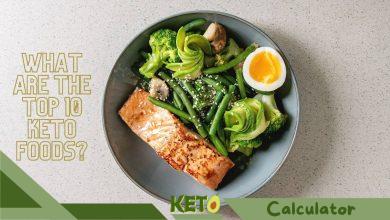
Good sources of fat on the ketogenic diet include avocados, nuts and seeds, coconut oil, olive oil, and fatty cuts of meat.
Is the ketogenic diet safe for everyone?
The ketogenic diet may not be safe for everyone, especially those with certain medical conditions. It’s important to speak with a healthcare professional before starting the ketogenic diet to ensure that it’s safe for you.