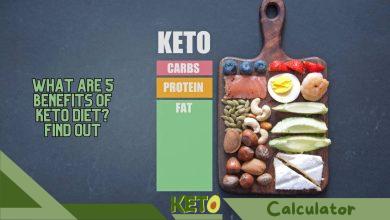
The keto diet is famous for losing weight, and people call it the ketogenic diet. This diet reduces carbs and adds fat. It’s called a low-carb, high-fat diet. When you don’t eat carbs, your body goes into ketosis, which means it uses fats for energy instead.
The keto diet aims to make your body go into ketosis, which has benefits like losing weight. When your body is in ketosis, it burns stored fat for better energy. This can help you lose weight eventually.
Importance of setting realistic expectations for weight loss goals
The keto diet can help you lose weight, but be realistic. It is not a magical solution that guarantees rapid and effortless weight loss. Everyone’s body is different. Our metabolism, importance, and lifestyle impact how quickly we lose weight.
Setting realistic goals helps maintain motivation and prevents disappointment. Losing weight in a healthy, sustainable way takes time. It happens gradually, not quickly. Set a plan that you can achieve. Talk to a doctor or a dietitian to determine a good weight loss amount.
To do the keto diet well, it helps to set practical goals. This lets you stay positive and focus on long-term success instead of short-term results. Losing weight takes time. It would help if you were patient, consistent, and balanced to get lasting results.
Understanding the Ketogenic Diet
The keto diet cuts carbs and ups healthy fats. Eat fewer carbs and more fats to stay fit! By restricting carbohydrates, the body is forced to enter a state of ketosis. The liver makes ketones from fats in this state. Ketones become the primary energy source for the body instead of glucose from carbs.
The diet has many high-fat foods like avocados, nuts, seeds, fatty fish, and dairy products. You also eat some protein from meat, poultry, and eggs, but just a little. Carbohydrate-rich foods, including grains, sugars, fruits, and starchy vegetables, are limited or avoided.
How the body enters ketosis and its impact on weight loss
The body’s stored glucose reserves are depleted when carbohydrate intake significantly reduces. When insulin levels decrease, our body uses stored fat for energy instead. The body makes ketones for fuel. They help the brain, muscles, and other organs.
The state of ketosis promotes weight loss by enhancing fat burning. The body burns fat for energy and loses weight as a result. The keto diet can decrease appetite and cravings, possibly boosting weight loss.
Benefits and potential drawbacks of following a keto diet
- Benefits:
-
- Weight loss: The ketogenic diet has effectively promoted weight loss, especially in the initial stages.
- Appetite control: High-fat and protein-rich meals help increase satiety, potentially reducing overall calorie intake.
- Improved blood sugar control: By minimizing carbohydrate intake, the keto diet may benefit individuals with diabetes or insulin resistance.
- Increased energy and mental clarity: Some individuals report improved energy levels and cognitive function while in ketosis.
- Potential drawbacks:
-
- Keto flu: As the body adapts to the diet, some individuals may experience flu-like symptoms, including fatigue, headache, and irritability. These symptoms are usually temporary.
- Nutrient deficiencies: Strict adherence to the keto diet may limit specific vitamins, minerals, and fibre intake. Careful meal planning and supplementation can help mitigate this concern.
- Sustainability and social limitations: The diet’s restrictive nature can make it challenging to follow long-term, and social situations may require additional planning and adjustments.
The keto diet can help you lose weight, but it may not work for everyone. Keep in mind that it’s not for all. Talk to a doctor or dietitian before changing your diet, especially if you have health problems or special needs.
Factors Affecting Weight Loss on Keto
The weight you start with and your body makeup affect how much you’ll lose on the keto diet. People who weigh more at the start of a diet might lose more weight initially. This is because the body has more stored fat to utilize as an energy source.

Body composition also plays a role. People with more body fat tend to see more significant weight and shape changes than those with less body fat. Losing weight is different for everyone, and genes and hormones can affect it too. Just keep that in mind.
Calorie Deficit and its Role in weight loss
Losing weight on the ketogenic diet (or any diet) means you need to burn more calories than you eat. The diet says to eat fewer carbs and be fatter but consume fewer calories than you burn.
To lose weight, eat fewer calories than your body needs. This will force your body to use stored fat for energy. To lose weight, tracking how many calories you eat and controlling your portion sizes is helpful.
Macronutrient composition and the significance of fat, protein, and carbohydrates
The makeup of your food is essential when following the keto diet. If you overeat fat, eating less protein and carbs is good too.
Healthy fats are good for you in many ways. They make you feel full, give you energy, and help make ketones. Make sure to eat a lot of them – around 70-75% of your calories should come from these foods.
To stay fit and keep your body working, you need enough protein. It helps your muscles stay strong, and your body does what it needs. Overeating protein could stop ketosis by turning it into glucose. This happens when a protein undergoes gluconeogenesis. Protein intake is typically moderate, around 20-25% of total daily calories.
Carbohydrates: The ketogenic diet restricts carbohydrate intake to induce and maintain ketosis. Carbohydrates mostly come from veggies without starch. You usually eat only 5-10% of your overall calories from them.
Metabolic rate and its influence on weight loss
Metabolic rate, or the rate at which the body burns calories, plays a role in weight loss on the ketogenic diet. Some people lose weight faster than others because they have a faster metabolism.
Metabolism can change based on age, genes, body, and activity. Your metabolism partly depends on your genes, but regular exercise, including weight lifting, can boost your metabolism and help you lose weight more effectively.
To lose weight on the ketogenic diet, adjust your approach to fit your unique situation. Consider the factors that influence weight loss. To lose weight, you can eat fewer calories, balance your types of food, and exercise. It’s essential to care about your health and well-being, not just your weight.
Setting Realistic Weight Loss Goals
When planning to lose weight, focus on healthy and lasting habits. Losing weight too fast and too much can harm your health and make you regain it later. Try to lose weight gradually by aiming for 1-2 pounds per week. This is a healthy and sustainable approach that you can stick to.
Losing weight in a way that sticks means changing how you live, not just sticking to a quick-fix diet for a bit. To stay healthy, it’s crucial to eat well, exercise often, and take care of yourself. Try looking at everything together to improve your health for a long time. Taking care of your mind and body will help you achieve lasting results.
Factors to consider when determining achievable weight loss in a month
Several factors influence the month’s weight loss rate while following the ketogenic diet. It is essential to consider these factors when setting achievable goals:
- Initial weight: Individuals with higher initial weights may experience more significant weight loss in the initial stages of the diet.
- Consistency: Adhering to the ketogenic diet consistently and avoiding frequent deviations is crucial for achieving consistent weight loss.
- Calorie deficit: Creating an appropriate calorie deficit through a combination of reduced calorie intake and increased energy expenditure supports weight loss. However, extreme calorie deficits can be counterproductive and may hinder progress.
- Metabolic rate: Individual metabolic rates vary; some individuals naturally have higher or lower rates. It is essential to consider your metabolic rate when setting weight loss goals.
- Body composition: Body composition, including muscle mass, can influence weight loss. Focus on body composition changes rather than solely relying on the number on the scale.
Guidance on setting individualized goals based on body type and lifestyle
Setting individualized weight loss goals based on your body type and lifestyle is crucial for success. Consider the following tips:
- Consult a professional: Seek guidance from a healthcare professional, registered dietitian, or certified nutritionist. They can assess your unique circumstances and provide personalized recommendations.
- Body type: Different body types may respond differently to the ketogenic diet. Some individuals may lose weight more quickly, while others may gradually progress. Embrace your body type and set goals that are realistic for you.
- Lifestyle factors: Consider your daily routine, work schedule, and other commitments when setting goals. Ensure they are realistic and attainable within your lifestyle.
- Non-scale victories: Don’t solely focus on the number on the scale. Celebrate non-scale successes such as increased energy, improved mood, and enhanced fitness levels. These indicators of progress are equally important.
- Keto Meal Planning Made Easy: Tips and Tricks for Success.
Set achievable weight loss goals that fit you personally. This will help you stay motivated, measure success accurately, and sustain progress. Losing weight isn’t just about getting there. It’s also about feeling better along the way and caring for yourself.

Strategies to Maximize Weight Loss on Keto
Proper meal planning and food choices:
- Plan meals in advance: Create a weekly meal plan that includes a variety of nutrient-dense foods. This helps you stay on track and make healthier choices throughout the week.
- Focus on whole foods: Prioritize whole, unprocessed foods rich in nutrients. Include plenty of low-carbohydrate vegetables, healthy fats, and quality protein sources.
- Stay hydrated: Adequate hydration is crucial for overall health and can support weight loss. Drink plenty of water throughout the day to stay hydrated and help control appetite.
Balancing macronutrients for optimal fat burning
- Monitor carbohydrate intake: Keep your carbohydrate intake within the recommended range for the ketogenic diet, typically around 20-50 grams per day. This helps maintain ketosis and promotes fat burning.
- Moderate protein consumption: Consume an appropriate amount of protein based on your needs and activity level. Excessive protein intake can potentially hinder ketosis, so moderation is key.
- Emphasize healthy fats: Incorporate a variety of healthy fats into your meals, such as avocados, olive oil, nuts, and seeds. These fats provide satiety, support ketosis, and contribute to overall well-being.
Incorporating physical activity and exercise
- Engage in regular physical activity: Include both cardiovascular exercises and strength training in your routine. Cardiovascular exercises help burn calories, while strength training helps build muscle, which can increase metabolic rate.
- Find activities you enjoy: Choose activities that you find enjoyable and are more likely to stick with long-term. This can include walking, cycling, swimming, or group fitness classes.
- Gradually increase intensity: Challenge yourself by gradually increasing the power of your workouts over time. This helps improve fitness levels and enhances weight loss potential.
Managing stress levels and ensuring adequate sleep
- Practice stress management techniques: High-stress levels can interfere with weight loss efforts. Incorporate stress-reducing activities such as meditation, deep breathing exercises, yoga, or engaging in hobbies you enjoy.
- Prioritize quality sleep: Aim for 7-9 hours of uninterrupted sleep per night. Sufficient sleep supports overall health, helps regulate appetite-related hormones, and promotes optimal weight management.
You can lose more weight by using these strategies on the keto diet. Remember that consistency, patience, and a holistic approach are essential. Listen to your body, make changes when needed, and get help from a doctor or dietitian for advice that fits you.
Monitoring Progress and Adjustments
Importance of tracking weight, measurements, and body composition:
- Weigh-ins: Regularly monitoring your weight can provide insights into your progress. However, remember that weight fluctuations are normal and can be influenced by water retention or muscle gain. Focus on long-term trends rather than day-to-day fluctuations.
- Measurements: Taking body measurements, such as waist circumference, hip circumference, and body fat percentage, can provide a more comprehensive picture of your progress. These measurements can show changes in body composition, even if the scale doesn’t reflect significant weight loss.
- Body composition analysis: Consider using methods like DEXA scans, bioelectrical impedance analysis, or skinfold calipers to assess changes in muscle mass and body fat percentage. This can help track progress and make adjustments if needed.
Recognizing plateaus and troubleshooting tips
- Plateaus are common: It’s normal to experience periods where weight loss stalls or slows down. This is often referred to as a plateau. Plateaus can occur due to factors like metabolic adaptation or changes in water retention.
- Stay consistent: During tables, it’s essential to remain consistent with your ketogenic diet and lifestyle habits. Stick to your meal plan, continue with regular physical activity, and focus on overall health rather than solely on the number on the scale.
- Adjust calorie intake: If weight loss stalls, you may need to reevaluate your calorie intake. Ensure you are in a moderate calorie deficit, but avoid drastic reductions that can be unsustainable or hinder metabolic rate.
- Try intermittent fasting: Intermittent fasting can be a valuable tool to break through plateaus. Restricting your eating window or incorporating periodic fasts may stimulate weight loss and metabolic adaptations.
- Vary your exercise routine: Introduce variety into your exercise routine by trying new activities, increasing intensity, or incorporating interval training. This can help challenge your body and overcome plateaus.
Seeking professional guidance and support if needed
- Consulting healthcare professionals: If you’re facing challenges or have specific concerns, seek guidance from healthcare professionals, such as registered dietitians or doctors. They can provide personalized advice based on your unique circumstances.
- Support groups and communities: Joining support groups or online communities of individuals following the ketogenic diet can provide motivation, accountability, and a platform for sharing experiences and tips.
- Accountability partners: Consider finding an accountability partner, such as a friend or family member, who shares similar health goals. You can support and motivate each other throughout the weight loss journey.
If you want to do well on the keto diet for a long time, you must watch how you’re doing, notice when you’re not progressing, and change things up as needed. To achieve your weight loss goals, keep track of your progress, overcome plateaus, and get help from a pro if needed.
Potential Challenges and Solutions
Common challenges encountered while following a keto diet:
- Keto flu: Some individuals may experience flu-like symptoms, such as fatigue, headaches, or irritability when transitioning into ketosis. This is known as the keto flu. Increase your fluid intake, replenish electrolytes, and ensure you’re consuming enough fats to help alleviate these symptoms.
- Carbohydrate cravings: Cravings for high-carbohydrate foods can be a challenge. Stay committed to your goals by planning to satisfy keto-friendly meals and snacks and incorporate healthy fats to help curb cravings.
- Social pressure: Social situations like parties or gatherings can present challenges as non-keto options are often readily available. Plan ahead by bringing keto-friendly dishes, focusing on the available low-carb options, or politely declining foods that don’t align with your dietary needs.
- Limited food choices: Restaurants may not always have specific keto-friendly options. Look for dishes that focus on protein and non-starchy vegetables, and ask for modifications, such as substituting carb-heavy sides with other vegetables or extra servings of protein.
Strategies to overcome cravings and temptations
- Opt for keto-friendly alternatives: Explore the wide range of keto-friendly substitutes for high-carbohydrate foods, such as cauliflower rice instead of traditional rice or zucchini noodles instead of pasta. These alternatives can satisfy cravings while keeping you on track.
- Include satisfying fats: Incorporate healthy fats into your meals to promote satiety and reduce cravings. Avocados, nuts, seeds, and full-fat dairy products can provide satisfaction and help curb cravings for carb-heavy foods.
- Mindful eating: Practice mindful eating by listening to your body’s hunger and fullness cues. Slow down while eating, savor each bite, and focus on the flavors and textures of your food. This can help you feel more satisfied and reduce the likelihood of giving in to cravings.
Dealing with social situations and dining out
- Communicate your dietary needs: Inform your friends, family, and dining companions about your preferences and goals. This allows for better understanding and support during social situations.
- Plan ahead: Before dining out, review the menu online if available. Look for keto-friendly options or dishes that can be easily modified. Additionally, consider eating a small keto-friendly snack before going out to help reduce hunger and temptations.
- Customize your order: Don’t hesitate to ask for modifications to suit your keto diet. Request substituting carb-heavy sides with other vegetables, or ask for sauces and dressings on the side to control the amount of added sugars or carbohydrates.
If you plan for possible difficulties, you can stick to your keto diet and beat any problems. Remember to stay positive and persistent if you want to lose weight with the keto diet. That’s the secret to success.
Safety Considerations and Precautions
To start a new diet like the keto diet, you must talk to a healthcare professional first. They can help you better if they know your health status, medical history, and concerns. They give advice customized to your needs. If you want to try the keto diet, a doctor or a dietitian can check if it’s safe.
Addressing potential risks and side effects of the keto diet
The ketogenic diet is usually safe but has risks and side effects.
- Nutrient deficiencies: Restricting certain food groups, particularly carbohydrates, can increase the risk of nutrient deficiencies. Ensuring you’re obtaining an adequate intake of essential vitamins, minerals, and fibre is vital. A varied and balanced keto diet that includes a wide range of low-carbohydrate vegetables and nutrient-dense foods can help mitigate this risk.
- Electrolyte imbalances: The keto diet can affect electrolyte balance due to increased water loss and reduced carbohydrate intake. It’s essential to ensure sufficient information on electrolytes, such as sodium, potassium, and magnesium, to prevent imbalances. Consider incorporating electrolyte-rich foods or supplements and staying hydrated.
- Ketoacidosis: Ketoacidosis is a severe condition primarily affecting individuals with type 1 diabetes. It is important to note that when followed correctly, the ketogenic diet does not lead to ketoacidosis in healthy individuals. However, individuals with diabetes or other underlying health conditions should consult their healthcare provider before starting the keto diet.
- Adverse effects: Some individuals may experience side effects when transitioning to the keto diet, such as the previously mentioned keto flu. These symptoms are generally temporary and can be managed by ensuring adequate hydration, electrolyte balance, and proper nutrition.
Special considerations for individuals with certain medical conditions
Certain medical conditions may require additional caution or modifications when following the ketogenic diet. It is crucial to consult with a healthcare professional if you have the following:
- Diabetes: Individuals with diabetes, especially those taking medication, may need adjustments to their medication and close monitoring of blood sugar levels while following a keto diet. Healthcare professionals can provide guidance on managing diabetes while on a low-carb diet.
- High blood pressure or heart disease: The keto diet’s high-fat content may impact some individuals’ blood lipid levels and blood pressure. Healthcare professionals can help determine if the keto diet is suitable and provide guidance on monitoring cardiovascular health.
- Gallbladder or liver disease: Increased fat consumption on the keto diet may impact individuals with gallbladder or liver disease. Medical supervision is recommended to ensure safety and appropriate dietary modifications.
- Eating disorders or a history of disordered eating: Individuals with a history of eating should approach any restrictive diet, including the keto diet, cautiously. Working with a healthcare professional specializing in eating disorders is essential to ensure a healthy and balanced approach.
Remember, individualized guidance from a healthcare professional is crucial, especially if you have any underlying medical conditions or concerns. They can provide tailored recommendations and help you navigate the keto diet safely.
Success Stories and Inspirational Examples
Sharing success stories of individuals who have achieved weight loss on keto:
- John’s Journey: John, a 45-year-old individual struggling with weight for years, decided to try the ketogenic diet. Through careful meal planning, balanced macronutrient intake, and regular exercise, John lost 30 pounds in just one month of keto. He emphasizes the importance of patience, consistency, and finding enjoyment in the process. John’s success story showcases the ketogenic diet’s potential for significant weight loss.
- Sarah’s Transformation: Sarah, a busy working mom, was looking for an effective way to lose weight without sacrificing her energy levels. After starting the keto diet, Sarah gradually lost 20 pounds in one month. She found the flexibility and variety of keto-friendly foods to be a game-changer. Sarah’s story serves as an inspiration for individuals juggling multiple responsibilities while striving for weight loss success.
Motivating readers through real-life examples and testimonials
- Testimonial from Lisa: “The keto diet transformed my life! After struggling with excess weight for years, I decided to give it a try. Within weeks, I noticed a significant decrease in cravings and a boost in energy levels. Over the course of three months, I lost 40 pounds and gained confidence in myself. The keto diet not only helped me shed weight, but it also improved my overall well-being. It’s truly been a life-changing journey.”
- James’ Experience: “As someone who has tried numerous diets without success, the keto diet has been a revelation. I’ve lost 25 pounds in just two months, and I feel more energized and focused than ever before. It’s amazing to see how a simple change in my eating habits has had such a profound impact on my life. If I can do it, anyone can!”
The keto diet helps lose weight; these stories prove it. They show real people who did well and felt better. Readers can get motivated to lose weight by reading these inspiring stories.
Conclusion:
We talked about losing weight with a ketogenic diet in this article. We started by talking about the ketogenic diet. It’s essential to have realistic goals. We learned about the ketogenic diet. It helps the body enter ketosis. There are benefits and potential drawbacks to following this eating plan. We talked about things that can influence weight loss on keto. These include your starting weight and body, how many calories you eat, what nutrients you eat, and how fast your metabolism works. We also talked about how to set weight loss goals that make sense for you depending on your body type and lifestyle.
Let’s find ways to lose more weight on keto! We can plan meals, balance macronutrients, exercise, and reduce stress. We monitored our progress, noticed when things levelled off, and made changes if needed. We discussed how important it is to get professional help if you need it on a keto diet. It can be tough with cravings, social situations, and eating out.
Emphasizing the importance of patience, consistency, and personalized approaches
Losing weight takes time, a customized plan, and staying on track. Remember this for a successful journey. The outcome can be different for each person. Concentrating on taking care of yourself and your health, not just your weight, is crucial. To lose weight and keep it off while on the ketogenic diet, it’s vital to form healthy habits and make sustainable lifestyle changes. Losing weight fast isn’t the whole picture. You must also have a good relationship with food and keep a healthy routine.
Encouraging readers to make informed decisions and seek professional advice
If you want to change your diet- like trying keto- knowing the facts and putting your health first is essential. Talk to a doctor or registered dietitian to get advice that’s just for you. They can help you based on your needs. Experts on the ketogenic diet can guide you in deciding if it’s a good choice for your health and weight. They can help you with any worries or medical issues and support you as you lose weight.
Remember, you are on a unique path, and your progress may differ from others. Stay focused, stay motivated, and be kind to yourself. Celebrate small victories along the way, and don’t be discouraged by temporary setbacks. You can reach your weight loss goals on the keto diet with commitment, patience, and support.
Best of luck on your journey toward a healthier, happier you!
FAQs:
Q1: Is the ketogenic diet safe for everyone?
Talk to your doctor first if you want to try the ketogenic diet. It’s usually safe, but it’s best to be careful if you have health issues. They can provide personalized advice based on your specific health needs.
Q2: Can I lose weight quickly on the ketogenic diet?
A2: The rate of weight loss on the ketogenic diet can vary from person to person. When you start losing weight, you might drop water weight first and lose weight fast. Others might see slower progress over time. To lose weight healthily, focus on sustainable goals instead of quick fixes that aren’t sustainable.
Q3: Do I need to count calories on the ketogenic diet?
Calorie counting isn’t a must on keto, but you need to eat fewer calories than you burn to lose weight. Tracking your calorie intake can help you reach your weight loss goals. Make sure it stays within a suitable range. The keto diet focuses more on what you eat than how many calories you consume.
Q4: Can I exercise while on the ketogenic diet?
A4: Yes, exercise can complement your weight loss efforts on the ketogenic diet. Exercising often can increase your metabolism, make you fitter, and help you lose weight. Listen to your body, drink water, and eat keto-friendly foods to fuel your workouts. It’s essential to take care of yourself!
Q5: How do I overcome plateaus in weight loss on the ketogenic diet?
A5: Plateaus in weight loss can happen on any diet, including the ketogenic diet. If you hit a plateau, there are some things you can try to keep making progress. You can eat fewer calories, ensure you burn more calories than you consume, and mix up your workouts. You can boost weight loss by changing how you eat. First, think about how you balance carbs, fat, and protein. Then, try fasting on and off. Plateaus are common, and you can overcome them with persistence and consistency. Remember that!
Q6: Can I follow the ketogenic diet if I am vegetarian or vegan?
A6: Following a vegetarian or vegan version of the ketogenic diet is possible. You can get enough protein and healthy fat even without meat on a keto diet. Add plant-based foods like tofu, tempeh, nuts, seeds, avocados, and non-starchy veggies. Just be sure to plan your meals carefully. Talking to a dietitian who knows about vegetarian or vegan diets can significantly help you.
Remember, these FAQs give basic information. Ask a doctor or dietitian for advice that fits your situation.