Knowing how many calories you should have is important when starting the keto diet to lose weight. Calories are essential for managing weight. They provide energy for your body to work well. If you watch how many calories you eat on the keto diet, you can lose weight better. This helps you reach the results you want faster.
Benefits of Calorie Restriction for Weight Loss
Many people on the keto diet try to lose weight by cutting calories. To lose weight, eat fewer calories than your body needs. This creates a calorie deficit, which leads to weight loss over time. Reducing calories helps you lose weight and has other benefits, such as improving insulin sensitivity, reducing inflammation, and enhancing metabolic health. Calorie restriction is essential in the keto diet. This can help with weight loss by making better dietary choices.
Brief Explanation of the Ketogenic Diet
The keto diet is a plan that focuses on eating fewer carbs and more fat to get into ketosis. It’s all about triggering this metabolic state. When you’re in ketosis, your body changes how it gains energy. It stops using glucose and starts burning stored fat instead. To make this change, eat less carbs and more healthy fats. By doing so, the keto diet aims to optimize fat burning and promote weight loss.
Fundamental Principles of the Keto Diet
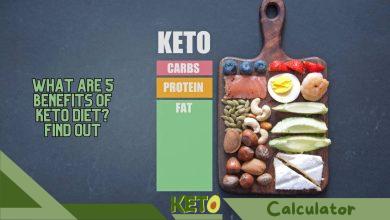
The keto diet operates on several fundamental principles. First, you must eat less than 50 grams of carbs daily. This rule makes your body use sugar stores and switch to burning fat for energy. The diet says to eat some protein to keep your muscles and body healthy. The keto diet suggests healthy fats like avocados, nuts, and olive oil. These give energy to the body and keep you full.
How the Keto Diet Promotes Weight Loss
The keto diet promotes weight loss through several mechanisms. A diet with fewer carbs helps control sugar levels and insulin response. This stops your hunger from spiking and reduces cravings. In addition, eating high-fat food makes you feel full, so it is easier to follow a diet that limits calories. Finally, when you enter ketosis, your body burns fat stores for energy. This helps you burn fat more effectively, leading to weight loss.
You need to know its basics to achieve your weight loss goals with the keto diet. This will help you determine the proper calorie intake.
Factors Affecting Calorie Requirements
Your BMR is the calories your body uses while resting to do essential functions. The body does important things like breathing, moving blood, and keeping warm. Determining your BMR is crucial in understanding your baseline calorie requirements. Age, gender, body composition, and genetics influence your BMR. Knowing your BMR helps calculate the keto diet’s calorie needs.
Activity Level and Its Impact on Calorie Needs
Your activity level plays a significant role in determining your calorie needs. Physical activity can burn more calories in your body. You can get this by exercising, working, or doing daily tasks. The more active you are, the higher your calorie requirements become. Assessing your activity level is crucial on the keto diet. It helps to determine the number of calories you need to consume accurately. Ensure you eat enough calories to fuel your day while burning more than you consume to lose weight.
Adjusting Calorie Intake Based on Weight Loss Goals
Everyone has different weight loss goals. Adjusting the number of calories you eat to reach those goals is essential. To lose weight on the keto diet, it is generally recommended to create a calorie deficit. It would help to eat less than your body needs to keep your current weight. Healthily losing weight means eating a little bit less every day. If you eat less by 500 to 750 calories daily, you might lose 1-2 pounds weekly. If you want to lose weight on the keto diet, adjust the number of calories you eat. This will help your body get the right energy for the diet.
Calculating Calorie Intake on Keto
Calculating your calorie intake on the keto diet requires knowing the right balance of nutrients. Getting the macronutrient ratios right is essential. The keto diet usually means eating more fat, less carbs, and some protein for energy. There are ratios for how much of each type of food we should eat. One standard ratio is to eat 70-75% of calories from fat, 20-25. You can change these ratios if you want to, according to your taste and needs. But they help determine how many calories you need daily.
Converting Macronutrient Ratios into Calories
After you know how much of each nutrient you need, the next step is to figure out how many calories that is. One gram of fat has nine calories. One gram of protein and carbs has four calories each. To find out the calories in your diet, multiply the grams of each type of food by the calorie value. This way, you can see how much each component contributes to your calorie intake. Explanation Summing up these values provides an estimate of your total calorie intake.
Recommended Caloric Deficit for Effective Weight Loss on Keto
To lose weight on the keto diet, you should eat fewer calories than your body needs. As stated, reducing calorie intake by 500 to 750 per day is usually safe and doable. To decrease the shortage, consume fewer calories or exercise more. Balancing your diet is crucial for a healthy body and energy levels. Make sure you eat enough without creating a deficit.
To make the keto diet work better for you and help with your weight loss, learn about calorie needs and how to calculate them. This way, you can personalize your approach and make intelligent choices. You can also read: What Are the Top 10 Keto Foods?
Personalizing Calorie Intake
If you want to adjust your calorie intake on the keto diet for weight loss, it’s wise to talk to a doctor or nutritionist about what to do. They can evaluate your needs, look at your health, and suggest what’s best for you. Talk to a healthcare pro or nutritionist if you want to lose weight. They know how many calories you need, what combination of carbs, protein, and fat is the best for you, and can help you plan meals.
Considering Individual Factors (Age, Gender, Body Composition)
Individual factors such as age, gender, and body composition significantly influence calorie requirements. As we get older, our metabolism slows down. This might mean we need to eat fewer calories. Men need more calories than women because they have more muscle and different body composition. Body composition affects metabolism and calorie needs. The more powers you have, the more calories you burn. Body fat percentage also plays a role in calorie requirements. Consider these factors to personalize your calorie intake for your own needs.
Tracking Progress and Adjusting Calorie Intake Accordingly
It’s essential to track your progress when it comes to calories. This helps you see if your actions are working and make any necessary changes. It’s helpful to keep track of your weight, body measurements, and how you feel when doing the keto diet. This can tell you how your body is responding to it. Sometimes, your progress can slow down or go differently than planned if you’re trying to lose weight. You should eat fewer or more calories to keep progressing. Track your progress and use data to make better choices about how many calories you eat. This will help you reach your weight loss goals.
Tips for Successful Weight Loss on Keto
To lose weight on the keto diet, focus on healthy foods and watch your calories. To stay healthy, choose good fats, proteins, and carbs. They give your body essential nutrients like vitamins, minerals, and antioxidants. Nutrient-dense foods include leafy greens, lean meats, fatty fish, avocados, nuts, and seeds. You can eat these foods to get all the necessary nutrients while losing weight.
Incorporating Intermittent Fasting to Enhance Results
You can try intermittent fasting to lose more weight on the keto diet. Intermittent fasting involves cycling between periods of eating and fasting. This way of eating can help you eat fewer calories and burn fat better. There are two popular ways to do intermittent fasting. The first is called the 16:8 method. This involves fasting for 16 hours and then eating for 8 hours. The second method Is to talk to a doctor or nutritionist before trying intermittent fasting. That way, you can make sure it’s right for you.
Staying Hydrated and Practicing Portion Control
If you want to lose weight while on the keto diet, remember to drink enough water and control how much you eat. Drinking adequate water supports digestion, metabolism, and overall health. It can also help curb cravings and prevent overeating. It’s essential to control how much food you eat to ensure you eat the right calories. This can help you reach your goals easier. Paying attention to how much you eat and using measuring tools can help you control how many calories you consume. This can help you lose weight without overeating by accident.
Try these tips and adjust your calorie intake to lose weight using the keto diet. This way, you’ll optimize your weight loss journey and achieve long-lasting results. Talk to experts, monitor your progress, and adjust to reach your goals if needed.
Common Mistakes to Avoid
Many people on the keto diet think they burn more calories with exercise than they do. This can make them overestimate their calorie intake and overeating. Practice is good for health and losing weight, but don’t rely on it to burn calories. Not keeping track of what you eat and drink can make it hard to lose weight. You might not realize how many calories you’re consuming. To lose weight successfully, you need to balance how many calories you burn and how many you eat. It’s essential to pay attention to both.
Neglecting to Track Food Intake Accurately
Accurate tracking of food intake is crucial for effective weight loss on the keto diet. If you don’t track what you eat, drink, and how much you eat, you might be eating more than you want and not making progress. Recording all meals and snacks is crucial to maintaining a healthy diet. Use a food diary, a smartphone app, or other tracking tools to keep track. To improve your diet, pay attention to how much you’re eating and the ingredients in your food. This will help you keep track of calories and make necessary changes.
Failing to Reassess Calorie Needs as Weight Loss Occurs
When you lose weight, check if you still need the same calories. As the body changes and loses weight, the calorie requirements may decrease. Failing to reassess calorie needs can result in a plateau where weight loss stalls. To keep losing weight, it’s good to talk to a doctor or dietician regularly and keep track of progress. They can help you decide if you need to change how many calories you eat.
Conclusion:
Determining how many calories you need to eat is crucial to losing weight effectively on the keto diet. You can make the calories you need by thinking about your body. Think about your metabolism, how much you move, and how much weight you want to lose. By doing this, your calorie intake will be just proper. To optimize weight loss, talk to experts, keep track of what you eat, and adjust your calorie needs as you go.
FAQs:
How do I calculate my basal metabolic rate (BMR)?
You can figure out your BMR using equations like Harris-Benedict or Mifflin-St. Jeor equation. Some formulas estimate your BMR based on age, gender, weight, and height. Online BMR calculators are also available for easy calculation.
Should I consult a healthcare professional or nutritionist before starting the keto diet?
Before starting the keto diet, talking to a healthcare pro or nutritionist is best. They can give you customized advice, check your health, and make sure the keto diet works well for you.
How often should I reassess my calorie needs on the keto diet?
According to experts, you should check your calorie needs every few weeks or after you lose weight. You can change things to keep losing weight by adjusting your calorie intake.
Is it necessary to track calories on the keto diet?
Counting calories can aid with losing weight on a keto diet, particularly at the start. It helps you know how many calories you eat and ensures you eat less than you burn. However, some people can only be successful with counting calories. They can focus on portion control and eating based on their intuition.