Cholesterol is like a fatty wax that the liver makes on its own. It’s also in some types of food. Cholesterol is necessary for the body, but too much harms your health. Having high levels of cholesterol can lead to more chances of heart issues, strokes, and other conditions related to the heart. Therefore, maintaining healthy cholesterol levels is crucial for promoting optimal well-being.
The importance of maintaining healthy cholesterol levels cannot be overstated. Cholesterol is essential for our body. It helps build and fix cells, makes hormones, and helps digest fats. When your body has too much cholesterol, it can make plaque in the tubes that carry blood. This makes the lines narrower and stops blood from flowing. Atherosclerosis is a condition that raises the chance of heart attacks and strokes.
Incorporating Oats and Whole Grains into Your Diet
Oats and whole grains have something called soluble fiber. It dissolves in water and turns into a gel in your stomach. Soluble fiber is essential for lowering cholesterol. It binds to cholesterol in the gut and stops it from going into the bloodstream.
Eating oats and whole grains affects the bile acids in your gut because of their soluble fiber. The liver produces bile acids to aid in the digestion of fats. Soluble fiber binds to these bile acids, leading to their excretion from the body. The liver takes cholesterol from the blood to compensate for the lost bile acids. This helps lower the cholesterol levels in the body.
Benefits of Consuming Oats and Whole Grains
Adding oats and whole grains to your diet has many benefits besides lowering cholesterol. These foods have many nutrients that give vitamins, minerals, and antioxidants. They help keep you healthy. They’re also good for your heart because they have less bad fat and cholesterol.
Eating oats and whole grains can lower the risk of heart disease, type 2 diabetes, and some cancers. These foods are good for keeping your weight in check because they are fiber-rich. Eating fiber makes you feel full and helps with digestion.
Examples of Oat-Based and Whole Grain Foods to Include in Your Diet
There are various ways to incorporate oats and whole grains into your daily meals. Start your day with a nutritious bowl of oatmeal topped with fruits, nuts, or seeds. You can pick steel-cut or rolled oats for more fiber without much processing.
Use whole grain bread, brown rice, quinoa, or whole wheat pasta instead of refined versions to improve your meals. Snack on whole grain crackers or enjoy a hearty salad with barley or bulgur as a base. For a diverse and healthy diet, try out different grains such as amaranth, millet, or farro.
Remember to read food labels carefully. Look for products with more whole grains in them. Adding these tasty and flexible choices to your meals can lower your cholesterol and give more health perks too.
Embracing Heart-Healthy Fatty Fish
Omega-3s are a suitable type of fat that helps your health by improving your cholesterol. These fatty acids can help your heart by lowering triglycerides and reducing inflammation. Managing cholesterol can be supported by omega-3s. They can raise the “good” cholesterol (HDL) and drop the “bad” cholesterol (LDL).
Highlighting Fish Rich in Omega-3s
To lower your cholesterol, eat fish high in omega-3 fatty acids. Fatty fish, such as salmon, mackerel, and sardines, are excellent sources of omega-3s. These fish have lots of EPA and DHA, omega-3 fatty acids that are good for the heart.
Salmon is a common fish that people love to eat. You can find it both in the wild and on farms. It’s a great source of omega-3. Mackerel, especially Atlantic and Pacific varieties, is another excellent option. Sardines, often available canned, are budget-friendly and packed with omega-3s. Trout, herring, and tuna also have omega-3s, but in different amounts.
Cooking Methods for Optimal Health Benefits
To be heart-healthy, eat fish with healthy fats twice a week. A serving typically consists of around 3.5 to 4 ounces (100-113 grams) of cooked fish. There are different ways to cook this fish for good health. You can grill, bake, steam, or broil it. These methods help keep the fish’s flavor and nutrients without adding unhealthy fats.
When you cook fish, avoid deep-frying or heavily breading it to keep it healthy. These methods add extra calories and unhealthy fats. Don’t use salt to flavor the fish. Instead, add herbs, spices, and citrus juices for more flavor and keep it healthy. Add veggies or whole grains to your fatty fish meal for a healthy balance.
Fatty fish like salmon, mackerel, or sardines can help your heart. Adding them to your meals can lower cholesterol and improve your heart health.

Including Plant Sterols and Stanols in Your Meal Plan
Plants have sterols and stanols that can reduce cholesterol. These substances look like cholesterol and stop it from being absorbed in the gut. Plant sterols and stanols can prevent the body from absorbing dietary cholesterol. This can help reduce LDL cholesterol levels, keeping your heart healthy.
Eating plant sterols and stanols can often decrease bad cholesterol by 5-15%. These can help manage cholesterol as they don’t affect HDL or triglycerides.
Sources of Plant Sterols and Stanols
Plant sterols and stanols exist in small amounts in some fruits, veggies, nuts, and seeds. However, to achieve cholesterol-lowering benefits, it is often necessary to consume higher doses. You can get more plant sterols and stanols by eating enriched food.
Fortified foods include margarine, spreads, yogurt, milk, and orange juice. Amose products are usually labeled “cholesterol-lowering” or “plant sterol/stanol fortified.” They are an effortless and convenient method to add plant sterols and stanols to your diet.
You can get plant sterols and stanols from natural sources and fortified foods. Nuts and seeds have these promising compounds. Almonds, walnuts, pistachios, flaxseeds, and chia seeds are good sources. Eating different kinds of these foods can help you get more plant sterols and stanols.
Recommendations for Incorporating These Foods into a Balanced Diet
To add plant sterols and stanols to a healthy diet, try these tips:
- Eat foods with plant sterols and stanols said to them, like spreads or yogurts, daily.
- Include a variety of nuts and seeds in your snacks or meals. Sprinkle them on salads, yogurt, or oatmeal, or enjoy them as a standalone snack.
- Make sure to eat the right amount and kinds of food. Eat various healthy foods, not just plant sterol and stanol-rich ones.
- Eating about 2 grams of plant sterols or stanols daily helps reduce cholesterol. This can be achieved through a combination of fortified foods and natural sources.
- What is the Maximum Weight Loss in a Month in KG?
Remember, plant sterols and stanols can lower cholesterol. But they work best when you’re living healthily. This means you must eat a balanced diet, exercise often, and avoid anything that could raise your cholesterol.
Include plant sterols and stanols in your meal plan. You can get them from fortified foods or natural sources, like nuts and seeds. This helps manage cholesterol levels and promotes heart health.
Conclusion:
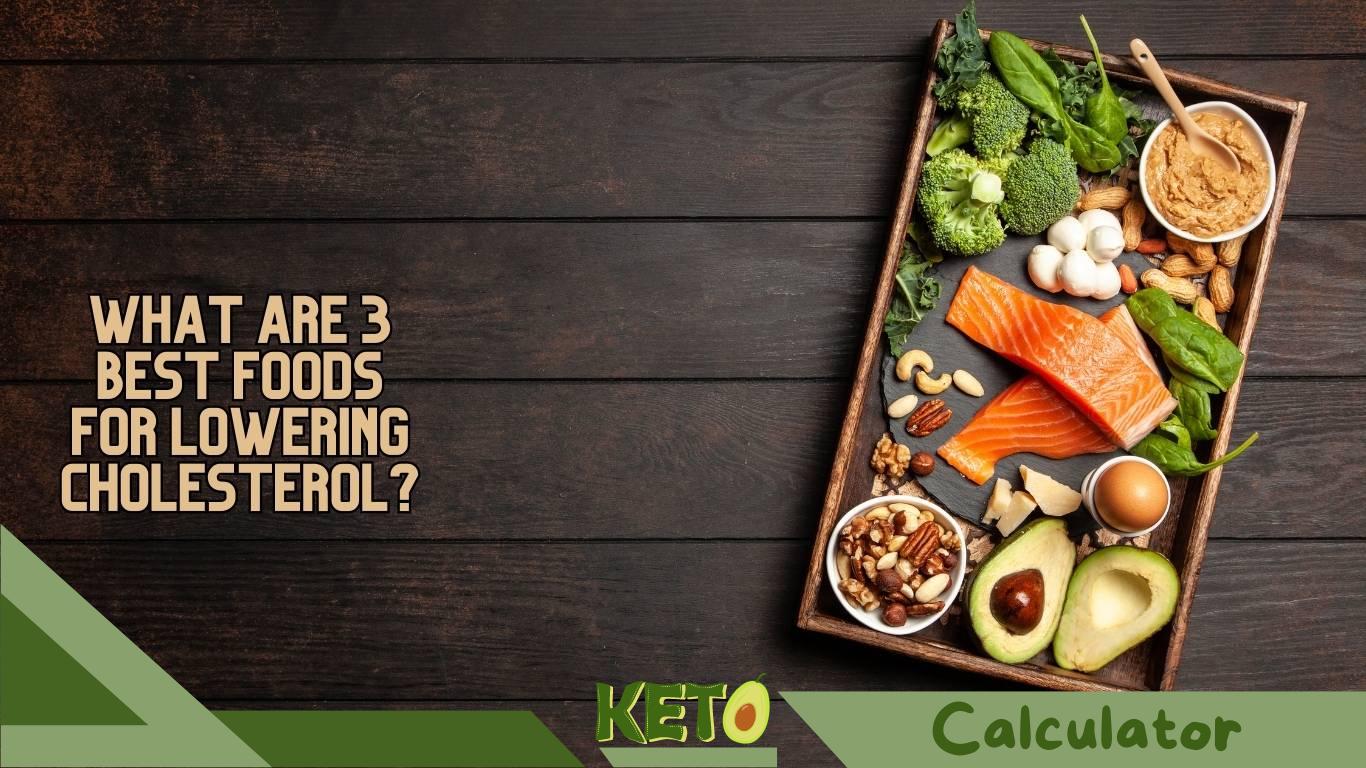
Keeping your cholesterol levels healthy is essential for your well-being and to lower the risk of heart disease. We made a guide about the best foods for lowering cholesterol. The top 3 are oats and whole grains, heart-healthy fatty fish, and plant sterols and stanols.
Adding oats and whole grains to your meals is good for you. This way, you get the soluble fiber that helps lower cholesterol. Eating oatmeal, whole-grain bread, and brown rice can help lower cholesterol and improve your health.
FAQs:
Q1: How much oatmeal or whole grains should I consume to lower cholesterol?
A: Eating at least 3 servings of whole grains daily, such as oats (around ½ to 1 cup per serving), can reduce cholesterol. However, portion sizes may vary based on individual needs and dietary requirements.
Q2: Are there any alternatives for people who don’t eat fish?
Yes, you can get omega-3 fatty acids from sources other than fish. Plant-based sources of omega-3s include chia seeds, flaxseeds, hemp seeds, and walnuts. There are omega-3 supplements made from algae that vegetarians and vegans can take.
Q3: Can I still enjoy other fish besides salmon, mackerel, and sardines for their cholesterol-lowering effects?
Yes! Some fish, like salmon, mackerel, and sardines, have many omega-3 fatty acids. Trout, herring, and tuna are also good sources of omega-3s. Including various fish in your diet can contribute to your overall omega-3 intake.
Q4: How can I incorporate plant sterols and stanols into my daily meals?
To add plant sterols and stanols to your diet, choose products fortified with them. This can include spreads, yogurt, milk, or orange juice. Including nuts and seeds that naturally contain plant sterols and stanols in your meals or snacks can also help. Almonds, walnuts, flaxseeds, and chia seeds are great examples.
Q5: Can plant sterols and stanols completely replace cholesterol-lowering medication?
Plant sterols and stanols can lower cholesterol but not replace meds. Do you have high cholesterol or take medicine to lower cholesterol? Talk to your doctor for advice on using plant sterols and stanols as part of your treatment plan.