Are you following a ketogenic diet and finding it challenging to fuel your workouts? The low-carb nature of the keto diet can make it challenging to sustain energy levels during intense exercise. However, with proper planning and knowledge, it is possible to fuel your workouts while on a low-carb diet. In this article, we will discuss how to fuel your workouts while following a keto diet.
What is the Ketogenic Diet?
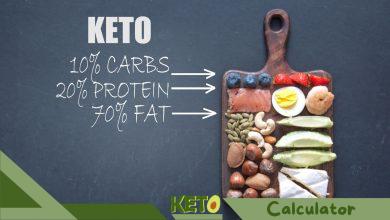
The ketogenic diet is a high-fat, moderate-protein, and low-carbohydrate diet that forces your body to burn fat instead of glucose for energy. When you follow a ketogenic diet, your body enters a metabolic state called ketosis, where it produces ketones from fat instead of glucose.
Benefits of the Ketogenic Diet
There are several benefits of following a ketogenic diet, such as weight loss, improved blood sugar control, and better mental clarity. Additionally, research has shown that the keto diet may have a positive impact on athletic performance.
Understanding Energy Systems
When it comes to fueling your workouts on a ketogenic diet, it’s important to understand the three energy systems used by the body during exercise: the phosphagen system, the glycolytic system, and the oxidative system. The phosphagen system is used during short bursts of high-intensity activity, such as weightlifting or sprinting. The glycolytic system is used during moderate to high-intensity exercise, such as a HIIT workout or a 5k run. The oxidative system is used during low to moderate-intensity exercises, such as a long-distance run or a bike ride. By understanding which energy system you are primarily using during your workout, you can tailor your fueling strategy to ensure that you have enough energy to perform at your best.
Fueling Your Workouts on a Keto Diet
When following a ketogenic diet, it’s essential to fuel your workouts properly to ensure that you have enough energy to perform at your best. To do this, you can consume a pre-workout meal that is high in fat and moderate in protein to provide sustained energy throughout your workout. You can also consume a post-workout meal that is high in protein to help with muscle recovery and growth. In addition, you can use supplements such as MCT oil or exogenous ketones to provide an extra energy boost during your workout. It’s important to experiment with different fueling strategies to find what works best for your body and your specific workout routine.
Consume Enough Calories
One common mistake people make when following a ketogenic diet is not consuming enough calories. This can lead to fatigue, weakness, and poor workout performance. To avoid this, it’s important to track your daily caloric intake and ensure that you are consuming enough calories to support your activity level and weight goals. You can use an online calculator or work with a nutritionist to determine your daily caloric needs and adjust your diet accordingly.
Increase Your Protein Intake
Another important aspect of fueling your workouts on a ketogenic diet is increasing your protein intake. This is because protein is essential for muscle growth and recovery. Aim to consume 1.5 to 2 grams of protein per kilogram of body weight per day. You can do this by incorporating protein-rich foods such as meat, eggs, and dairy into your diet, or by using protein supplements such as whey or collagen powder.
Time Your Meals
Timing your meals properly can also have a significant impact on your workout performance on a ketogenic diet. It’s recommended to consume a pre-workout meal 1 to 2 hours before exercise and a post-workout meal within 30 minutes to an hour after exercise. This will provide your body with the necessary nutrients to fuel your workout and promote muscle recovery.
Use Supplements
Supplements can also help you fuel your workouts on a keto diet. Some supplements that may be beneficial include creatine, beta-alanine, and caffeine. you may also like to read 10 Health Benefits of the Ketogenic Diet That You Need to Know.
Common Mistakes to Avoid
There are several common mistakes to avoid when fueling your workouts on a ketogenic diet. One mistake is not consuming enough calories, which can lead to fatigue and poor performance. Another mistake is not consuming enough electrolytes, which can lead to dehydration and muscle cramps. Finally, consuming too many carbs can kick you out of ketosis and negate the benefits of the diet. It’s important to track your nutrient intake and adjust your diet as needed to avoid these common mistakes.
Not Consuming Enough Calories
Electrolytes are essential minerals that help regulate fluid balance, nerve function, and muscle contractions in the body. When following a ketogenic diet, your body excretes more electrolytes through urine, which can lead to dehydration and muscle cramps if not properly replenished. To avoid this, make sure to consume adequate amounts of electrolytes such as sodium, potassium, and magnesium. You can do this by incorporating foods such as leafy greens, nuts, and avocados into your diet, or by using electrolyte supplements.
Not Consuming Enough Electrolytes
Consuming too many carbs can kick you out of ketosis and prevent your body from burning fat for fuel during your workouts. It’s important to track your daily carb intake and ensure that you are staying within the recommended range of 20-50 grams per day. To avoid accidentally consuming too many carbs, be mindful of hidden carbs in processed foods and focus on consuming whole, nutrient-dense foods such as vegetables, meat, and healthy fats.
Conclusion:
Fueling your workouts on a ketogenic diet may seem challenging at first, but with proper planning and knowledge, it’s entirely possible. Remember to consume enough calories, increase your protein intake, time your meals, and use supplements if necessary. By following these tips, you can fuel your workouts while following a low-carb diet and enjoy the benefits of both.
FAQs:
1. Can I still gain muscle on a ketogenic diet?
Yes, you can still gain muscle on a ketogenic diet by increasing your protein intake and engaging in regular resistance training.
2. How much protein should I consume on a ketogenic diet?
The amount of protein you should consume on a ketogenic diet depends on your weight, activity level, and goals. As a general rule, aim for 1.5 to 2 grams of protein per kilogram of body weight per day.
3. Can I consume carbs before a workout on a ketogenic diet?
It’s not recommended to consume carbs before a workout on a ketogenic diet, as it can kick you out of ketosis and negatively impact your energy levels during exercise.
4. How long does it take to enter ketosis?
It can take anywhere from a few days to a few weeks to enter ketosis, depending on various factors such as carbohydrate intake, activity level, and metabolism.
5. Is the ketogenic diet suitable for everyone?
The ketogenic diet may not be suitable for everyone, particularly those with certain medical conditions such as liver disease or pancreatitis. It’s essential to consult with a healthcare professional before starting any new diet or exercise regimen.