The keto diet has gained significant popularity over the past few years due to its ability to induce rapid weight loss by promoting a state of ketosis in the body. This diet involves consuming a high-fat, moderate-protein, and low-carbohydrate diet to force the body to use fat as its primary source of fuel instead of glucose. However, to ensure the effectiveness of the keto diet, it is essential to accurately calculate your macros. In this article, we will discuss the importance of accurately calculating your macros on the keto diet and how it can affect your weight loss goals.
What are macros?
Macros, short for macronutrients, are the three essential components of the human diet: carbohydrates, proteins, and fats. These macronutrients provide the body with energy and serve different functions in the body. Carbohydrates are the primary source of energy for the body, while proteins are essential for building and repairing tissues, and fats are vital for the absorption of vitamins and minerals.
Why is it important to calculate your macros on the keto diet?
The keto diet involves a specific macronutrient ratio to induce a state of ketosis. Consuming too many carbohydrates can kick you out of ketosis while consuming too much protein can also hinder weight loss. Therefore, it is crucial to accurately calculate your macros to ensure you are staying within the recommended macronutrient ratios for the keto diet.
How to calculate your macros on the keto diet
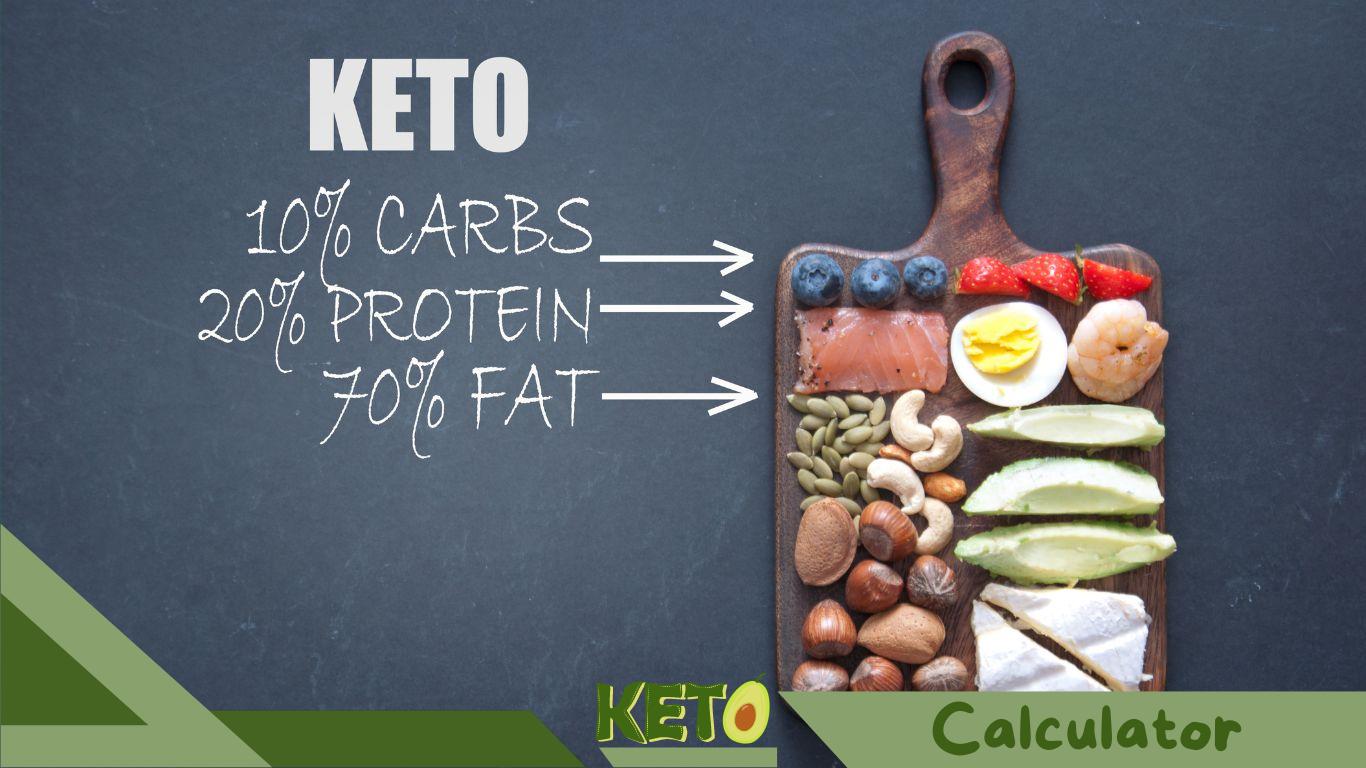
To calculate your macros on the keto diet, you need to determine your daily caloric needs and adjust your macronutrient intake accordingly. The general rule of thumb for the keto diet is to consume 70-75% of your calories from fat, 20-25% from protein, and 5-10% from carbohydrates. Several online calculators can help you determine your ideal macronutrient intake based on weight, height, age, and activity level.
The role of macro tracking apps
Macro tracking apps are an excellent tool for accurately tracking your macronutrient intake. These apps allow you to input your daily food intake and track your macronutrient intake in real time. They also provide valuable insights into your diet, such as your daily calorie intake, nutrient deficiencies, and more. Some popular macro-tracking apps include MyFitnessPal, Carb Manager, and Cronometer.
Common mistakes when calculating your macros on the keto diet
One common mistake when calculating macros on the keto diet is not adjusting your macros for weight loss. As you lose weight, your caloric needs decrease, so it is crucial to adjust your macros accordingly. Another common mistake is not accurately tracking your food intake, which can lead to consuming too many carbohydrates or proteins without realizing it.
The importance of adjusting your macros as you progress
As you progress on the keto diet, it is essential to adjust your macros to reflect your changing caloric needs. For example, if you hit a weight loss plateau, you may need to reduce your daily caloric intake or adjust your macronutrient ratios to continue to see progress. Similarly, if you increase your physical activity level, you may need to adjust your macros to ensure you are consuming enough energy to support your increased activity.
The impact of incorrect macro calculations on weight loss
Incorrect macro calculations can significantly impact your weight loss goals on the keto diet. Consuming too many carbohydrates or proteins can kick you out of ketosis, while not consuming enough fat can leave you feeling hungry and deprived. On the other hand, consuming too much fat can lead to weight gain and stall your weight loss progress. you can also read How to Use a Keto Calculator to Determine Your Ideal Macros.
The relationship between calorie intake and weight loss on the keto diet
While macronutrient ratios are essential for the keto diet’s success, calorie intake also plays a significant role in weight loss. Consuming more calories than your body needs, even if they are from fat, can lead to weight gain. Therefore, it is crucial to track your daily calorie intake and adjust your macros accordingly to ensure you are in a caloric deficit.
The importance of tracking your food intake
Tracking your food intake is essential for accurately calculating your macros and ensuring you stay within your recommended daily caloric intake. It also allows you to identify any patterns or habits that may be hindering your weight loss progress and make adjustments accordingly.
The Impact of lifestyle factors on keto diet success
Several lifestyle factors can impact your success on the keto diet, such as stress, sleep, and hydration levels. High-stress levels can increase cortisol levels, which can hinder weight loss progress. Poor sleep can also impact weight loss by increasing cravings and reducing energy levels. Staying hydrated is also crucial in the keto diet to prevent dehydration and promote optimal bodily function.
Conclusion:
Accurately calculating your macros is essential for the success of the keto diet. It ensures you stay within the recommended macronutrient ratios and daily caloric intake to induce a state of ketosis and promote weight loss. Tracking your food intake and adjusting your macros as you progress is also crucial for long-term success on the keto diet.
FAQs:
Q1. Can I consume too much fat on the keto diet?
Yes, consuming too much fat on the keto diet can lead to weight gain and stall your weight loss progress.
Q2. Can I consume too much protein on the keto diet?
Yes, consuming too much protein on the keto diet can also hinder weight loss progress by preventing the body from entering a state of ketosis.
Q3. Do I need to track my daily calorie intake on the keto diet?
Yes, tracking your daily calorie intake is crucial on the keto diet to ensure you are in a caloric deficit and promote weight loss.
Q4. Can lifestyle factors impact my success on the keto diet?
Yes, lifestyle factors such as stress, sleep, and hydration levels can significantly impact your success on the keto diet.
Q5. Can macro-tracking apps help me accurately calculate my macros on the keto diet?
Yes, macro tracking apps can be an excellent tool for accurately tracking your macronutrient intake and promoting success on the keto diet.