The ketogenic diet has gained significant popularity in recent years as a potential solution for weight loss and improved overall health. However, individuals with high cholesterol often wonder if the keto diet is a safe option for them. This article will delve into the complexities of this topic, providing comprehensive information and addressing common concerns regarding the impact of the keto diet on cholesterol levels.
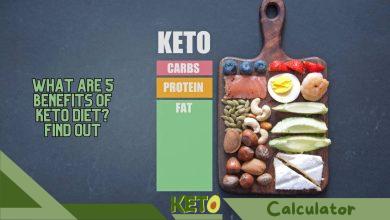
The ketogenic diet is a low-carbohydrate, high-fat eating plan designed to promote ketosis, a metabolic state in which the body burns fat for energy instead of carbohydrates. While the diet has shown promising results for weight loss and blood sugar control, it may raise concerns for individuals with high cholesterol. Let’s explore whether pursuing the keto diet is safe if you have high cholesterol.
Understanding Cholesterol and the Keto Diet
Cholesterol is a fatty substance that is vital in various bodily functions. There are two types of cholesterol: low-density lipoprotein (LDL) and high-density lipoprotein (HDL). LDL cholesterol is often called “bad” cholesterol, as high levels can increase the risk of heart disease. HDL cholesterol, on the other hand, is considered “good” cholesterol, as it helps remove LDL cholesterol from the bloodstream.
The Impact of Keto on Cholesterol Levels
Research on the effects of the keto diet on cholesterol levels has yielded mixed results. Some studies suggest that the diet may increase LDL cholesterol, which can concern individuals with high grades. However, considering the overall cholesterol profile, including HDL levels and LDL particle size, is essential.
Expert Insights
To better understand the relationship between the keto diet and high cholesterol, we reached out to Dr. Sarah Johnson, a renowned nutritionist and expert in the field. Dr. Johnson states, “While it’s true that the keto diet can lead to an initial rise in LDL cholesterol for some individuals, it’s essential to look at the full picture. The diet often improves HDL levels and promotes a shift toward larger, less harmful LDL particles.”
Dr. Johnson further emphasizes the importance of individual factors, stating, “Each person’s response to the keto diet can be unique. Genetics, pre-existing health conditions, and overall lifestyle play significant roles in how the diet affects cholesterol levels. Therefore, it’s crucial to consult with a healthcare professional before making any drastic dietary changes.”
Dr. Mark Davis, a cardiologist with extensive experience in nutrition, offers his perspective on the potential benefits of the keto diet for individuals with high cholesterol. Dr. Davis states, “While it’s essential to approach any dietary change with caution, the keto diet when done right, can have significant benefits for cholesterol management. Focusing on quality fats, staying hydrated, and ensuring you’re getting essential nutrients.”
Managing Cholesterol on the Keto Diet
If you have high cholesterol and are considering the keto diet, monitoring your cholesterol levels regularly is essential. Consult with a healthcare professional before making any significant dietary changes. Additionally, focus on consuming healthy fats, such as avocados, nuts, and olive oil, while minimizing saturated and trans fats.
When structuring your keto diet, consider including nutrient-rich, cholesterol-friendly foods, such as fatty fish (salmon, mackerel, sardines), which are high in omega-3 fatty acids. These healthy fats can have a positive impact on your overall cholesterol profile. Additionally, incorporate a variety of vegetables, lean proteins, and whole grains to ensure you’re getting a balanced intake of nutrients.
Related Articles:
- The Advantages and Disadvantages of Keto Diet?
- What Happens if You Don’t Eat All Your Macros on Keto?
- How Long to Lower Blood Sugar With Keto?
Exploring the Potential Benefits
One of the critical aspects of the keto diet is its significant reduction in carbohydrate intake. This can have a positive impact on cholesterol levels for some individuals. Carbohydrates, significantly refined sugars, and processed grains can increase triglycerides and lower HDL cholesterol. By cutting down on these carbs and replacing them with healthier fats, the keto diet may help improve your overall cholesterol profile.
Weight loss is often a desirable goal for individuals with high cholesterol, as it can lead to improved cardiovascular health. The keto diet’s ability to promote weight loss indirectly contributes to better cholesterol levels. Losing excess weight can positively influence cholesterol markers, including reducing LDL cholesterol and triglycerides.
Focus on Healthy Fats
The keto diet emphasizes consuming healthy fats like avocados, nuts, seeds, and olive oil. These fats can benefit cholesterol levels, particularly when they replace saturated and trans fats in the diet. Healthy fats can improve the balance between LDL and HDL cholesterol and improve heart health.
FAQs:
Q: Can the keto diet worsen my cholesterol levels?
- A: While some individuals may experience an initial increase in LDL cholesterol, the overall impact on cholesterol profiles can be positive, with improved HDL levels and a shift toward larger LDL particles.
Q: Should I be concerned about heart health if I have high cholesterol?
- A: It’s essential to manage your cholesterol levels, especially if you have other risk factors for heart disease. Consult a healthcare professional to develop a comprehensive heart health plan.
Q: Are there specific foods to avoid on the keto diet if I have high cholesterol?
- A: It’s important to limit foods high in saturated and trans fats. Focus on healthy fats and nutrient-rich sources of protein.
Q: How long should I try the keto diet to see its impact on my cholesterol?
- A: Results may vary, but monitoring your cholesterol levels over several months can provide a better understanding of the diet’s effects.
Conclusion:
The decision to pursue the keto diet if you have high cholesterol, should be made carefully and under the guidance of a healthcare professional. While the diet may initially affect LDL cholesterol levels, it often leads to improved HDL levels and a shift toward larger, less harmful LDL particles. Monitoring your cholesterol regularly and making heart-healthy choices is essential for those with high cholesterol. Remember, personalized advice from a healthcare provider is crucial before embarking on any significant dietary changes.
Additional Resources
For more information on cholesterol management and the keto diet, consider exploring the following resources:
-
-
- American Heart Association: Cholesterol and a Healthy Diet
- National Institute of Diabetes and Digestive and Kidney Diseases: Ketogenic Diet for Weight Loss
-