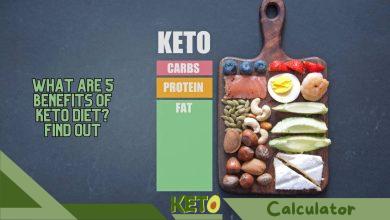
The ketogenic diet, commonly known as the keto diet, is a high-fat, low-carb diet that has become increasingly popular in recent years. The diet involves consuming a high amount of healthy fats, moderate protein, and low carbohydrates, which ultimately puts your body in a state of ketosis. Ketosis is a metabolic state in which your body burns stored fat for fuel instead of carbohydrates. There are many potential health benefits to following a ketogenic diet, and in this article, we will explore ten of them.
What is the ketogenic diet?
The ketogenic diet is a high-fat, low-carb diet that emphasizes consuming healthy fats and proteins while minimizing carbohydrates. The goal is to shift your body from using carbohydrates as its primary fuel source to using fats. By doing so, your body enters a state of ketosis, in which it burns stored fat for energy.
How does the ketogenic diet work?
The ketogenic diet works by reducing your carbohydrate intake to a minimum, typically below 50 grams per day. This causes your body to start using stored fat as its primary fuel source instead of glucose. As a result, your liver begins to produce ketones, which are water-soluble molecules that are used as an alternative fuel source for your brain and body.
Health Benefits of the Ketogenic Diet
Weight Loss
One of the primary reasons people follow the ketogenic diet is for weight loss. By restricting carbohydrates and increasing fat intake, your body is forced to burn stored fat for fuel, leading to weight loss. In fact, studies have shown that the ketogenic diet can lead to more significant weight loss than other low-fat diets.
Improved Heart Health
Following a ketogenic diet has been shown to improve heart health in several ways. For example, the diet can lower triglycerides, increase HDL cholesterol (the “good” cholesterol), and decrease LDL cholesterol (the “bad” cholesterol), which can ultimately reduce your risk of heart disease.
Reduced Inflammation
Inflammation is a natural response in the body, but chronic inflammation can lead to a range of health problems, including autoimmune diseases and cancer. The ketogenic diet has been shown to reduce inflammation in the body, potentially improving overall health.
Increased Energy Levels
Many people report increased energy levels when following the ketogenic diet. This is likely due to the fact that the body is using stored fat for fuel, which provides a steady source of energy throughout the day.
Better Blood Sugar Control
The ketogenic diet can improve blood sugar control in people with type 2 diabetes. By reducing carbohydrate intake, the body produces less insulin, which can help regulate blood sugar levels. you can also read Keto Calculator 101: A Beginner’s Guide to Tracking Your Macros.
Enhanced Brain Function
There is some evidence to suggest that the ketogenic diet can enhance brain function. Ketones, which are produced during ketosis, have been shown to improve cognitive function and reduce the risk of neurological diseases such as Alzheimer’s and Parkinson’s.
Improved Digestive Health
The ketogenic diet can improve digestive health by reducing inflammation in the gut and promoting the growth of healthy gut bacteria. Additionally, the diet can alleviate symptoms of digestive disorders such as irritable bowel syndrome (IBS) and Crohn’s disease.
Reduced Risk of Cancer
Some studies have shown that the ketogenic diet may reduce the risk of certain types of cancer. This is because cancer cells typically rely on glucose for fuel, and the ketogenic diet reduces glucose availability in the body.
Better Skin Health
The ketogenic diet has been linked to improved skin health, including a reduction in acne and other skin conditions. This is likely due to the anti-inflammatory effects of the diet.
Reduced Risk of Epileptic Seizures
The ketogenic diet was originally developed to treat epilepsy, and it remains an effective treatment option for some people with the condition. The diet has been shown to reduce the frequency and severity of seizures in some individuals.
Potential Risks of the Ketogenic Diet
While the ketogenic diet has many potential health benefits, it is important to be aware of the potential risks as well. Some people may experience side effects such as constipation, headaches, and bad breath when first starting the diet. Additionally, the diet may not be appropriate for people with certain medical conditions, such as pancreatitis or liver disease.
Conclusion:
The ketogenic diet is a high-fat, low-carb diet that has been shown to have many potential health benefits, including weight loss, improved heart health, and reduced inflammation. However, it is important to be aware of the potential risks and to consult with a healthcare provider before starting the diet. With proper guidance, the ketogenic diet may be a valuable tool for improving overall health and well-being.
FAQs:
- Is the ketogenic diet safe for everyone? While the ketogenic diet can be safe for many people, it is not appropriate for everyone. People with certain medical conditions should consult with their healthcare provider before starting the diet.
- How long does it take to enter ketosis? It can take anywhere from 2-7 days to enter ketosis, depending on individual factors such as carbohydrate intake and exercise.
- Can I eat carbs on the ketogenic diet? Carbohydrate intake is typically limited to below 50 grams per day on the ketogenic diet, so it is important to choose low-carb options such as leafy greens, nuts, and seeds.
- What are some healthy fats to eat on the ketogenic diet? Healthy fat sources on the ketogenic diet include avocados, nuts and seeds, olive oil, coconut oil, and fatty fish such as salmon.
- Is the ketogenic diet sustainable in the long term? While some people may follow the ketogenic diet long-term, it can be challenging to maintain over time due to its restrictive nature.